Intro
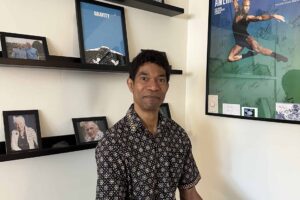
Many people are curious about the Rolf Method of Structural Integration but aren’t quite sure what it involves or how it differs from other forms of bodywork. In the interview above, I talk about my work as a practitioner of Structural Integration, my journey to become a practitioner, and how this approach helps people improve posture, reduce chronic tension, and move with greater ease.
I practice the Rolf Method of Structural Integration in Santa Monica and work with clients from across the Los Angeles area who are interested in improving long-standing patterns of strain in the body.
What Is the Rolf Method of Structural Integration?
The Rolf Method of Structural Integration is a form of bodywork that focuses on the body’s connective tissue, called fascia. Fascia forms a continuous network throughout the body and plays an important role in posture, movement, and structural balance.
Rather than focusing only on isolated muscles or areas of discomfort, Structural Integration looks at how the entire body organizes itself in gravity. When the body’s structure becomes more balanced, many people experience improvements in posture, comfort, and freedom of movement.
Why People Seek Structural Integration
People often come to Structural Integration for a variety of reasons, including:
• chronic tension or stiffness
• postural imbalances
• movement restrictions
• long-standing musculoskeletal patterns
• a desire to move more efficiently and comfortably
Many clients are surprised to discover that areas of discomfort are sometimes connected to patterns elsewhere in the body. Structural Integration works to address these broader relationships.
Working With Clients in Santa Monica and Los Angeles
In my practice in Santa Monica, I work with people from many different backgrounds. Some clients are athletes, surfers, or yoga practitioners looking to improve performance and alignment. Others are professionals who spend long hours sitting and are seeking relief from persistent tension or postural strain.
Because the body adapts over time to the demands placed on it, Structural Integration often focuses on helping the body reorganize in a way that supports more efficient movement.
Learning More About Structural Integration
If you’re curious about how the Rolf Method of Structural Integration works, the interview above provides a helpful introduction to the ideas behind the work.
What is discussed in the interview?
The interview covers my journey to becoming a practitioner of the Rolf Method of Structural Integration, how this work differs from other forms of bodywork, and how Structural Integration helps people improve posture, reduce chronic tension, and move with greater ease.
How is the Rolf Method different from massage?
Massage typically focuses on relaxing muscles and providing temporary relief. The Rolf Method of Structural Integration is a systematic process that works with the body’s fascial network to create long-term structural change. Rather than addressing isolated areas of discomfort, Structural Integration looks at how the entire body organizes itself in gravity — and works to improve that organization session by session.
If you’re ready to experience the work firsthand, I’d be honored to work with you.